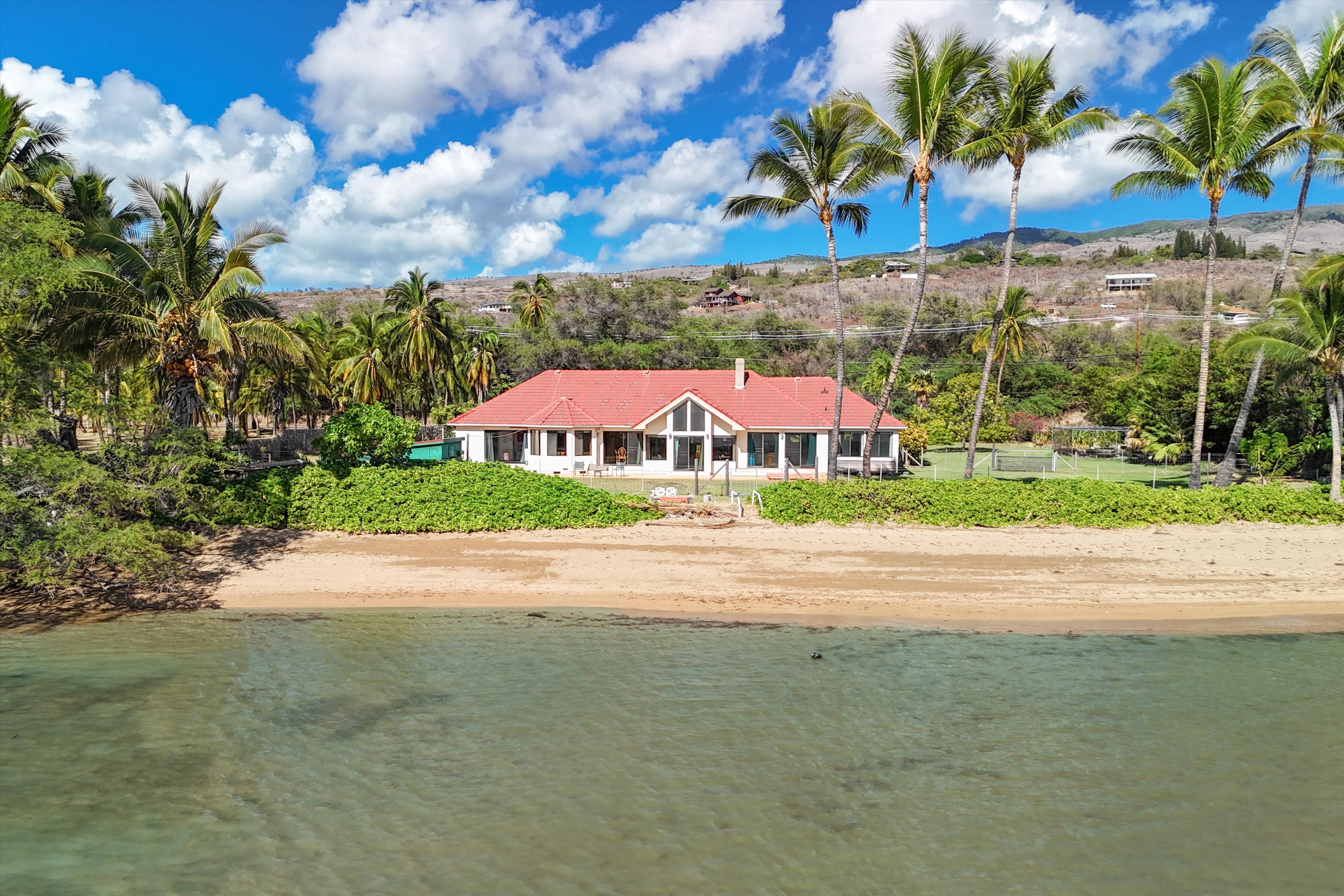
Molokaʻi is small enough to drive end to end in an afternoon and varied enough that the two ends barely feel like the same island. Roughly 8,000 people live here, the majority of Hawaiian ancestry, and there is not a single building taller than a coconut palm. Where you choose to live decides your weather, your view, your drive to the grocery store and, more than anything, your neighbors.
Kaunakakai and the south shore
Kaunakakai is the island's main town and harbor, and the friendly heart of everything: the main street of shops, the long wharf, and the calm water inside the reef. Most of Molokaʻi's real estate sits along this stretch, from in-town homes on quiet streets to the oceanfront condominiums at Molokai Shores. If you want to walk to the store and be in the water five minutes later, this is your side of the island.
Kawela, on the hillside above the reef
Just east of town, Kawela Plantation rises off the highway in two-acre lots, and every one of them looks out over the reef and across the channel. It is quiet, green and residential, close enough to Kaunakakai for daily life and far enough up the hill for the view to open all the way out. Dayna bought land here in 1990 and built her family's homes here in 1994, so this is a neighborhood we can talk about from the inside.
Kualapuʻu and Kalae, upcountry
Head inland and up, and the air cools. Kualapuʻu and Kalae are pasture, coffee fields and macadamia farms, a genuinely different climate from the shoreline a few miles below. This is where people go who want land around them and do not mind the drive to town.
Maunaloa and the West End
Past the old plantation town of Maunaloa, the island opens into ranch country and then falls away to the golden sands of Kepuhi and Pāpōhaku, the island's longest beaches. The resort communities are out here: Ke Nani Kai, Paniolo Hale and Kepuhi Beach Resort. The West End is dry, golden and quiet, and it is the part of Molokaʻi most people are picturing when they picture a getaway.
Manaʻe and the East End
East of Kawela the highway narrows and the rain arrives. Manaʻe is the lush end of Molokaʻi: taro, fishponds along the shoreline, and a road that winds all the way out to Hālawa. Wavecrest sits along this stretch, oceanfront garden condominiums right on the water. Living out here means green, quiet and a real drive to town, which is exactly the trade some people are looking for.
How to actually choose
You choose by driving it. The weather here changes noticeably in twenty minutes of highway.
A lot that reads perfectly on paper can feel wrong once you are standing on it, and the reverse happens just as often. If you are planning a trip to look, tell us where you think you want to be before you come. We will build the day around showing you why you are right, or why you are not.